moving to live with family

new roots4 minutes

People can apply to move to Sweden to live with certain family members, including:

  • a parent
  • a child
  • another relative in specific circumstances

You will usually need a residence permit based on family ties.

Migrationsverket (the Swedish Migration Agency) will assess things such as:

  • whether your family relationship qualifies
  • whether the person in Sweden meets the relevant requirements
  • whether you must apply from outside Sweden.

New rules from 1 October 2026: Some applicants face stricter financial requirements, and people with temporary residence permits generally need to have lived in Sweden for at least 2 years before their family can join them. Exceptions apply, including for some workers and refugees. The rules depend on your circumstances, so check the latest guidance before applying.

If your application is approved, you can move to Sweden and live with your family.

note: Moving to live with a partner is covered in a separate article.
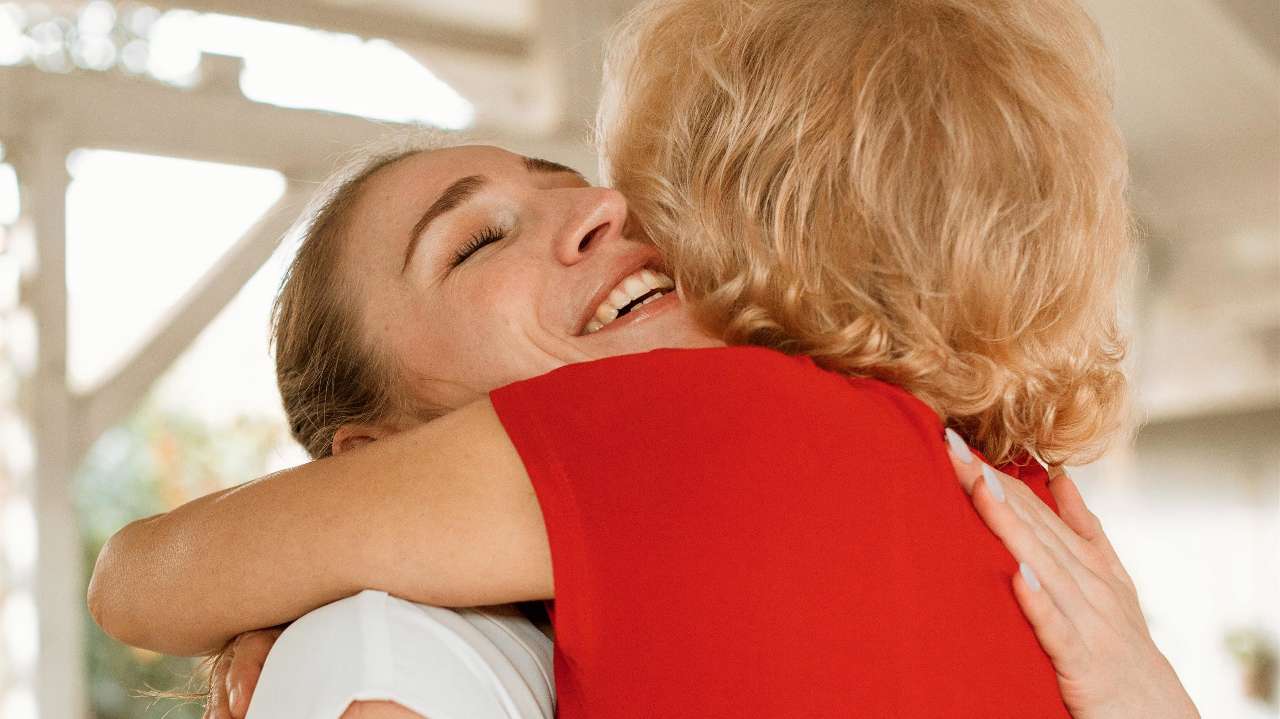
If you want to move to live with a family member, the first step is checking whether your relationship qualifies for a residence permit. The rules depend on your family relationship, your age and the residence status of the person you want to join.

Since new rule came into affect on 1 October 2026, some applicants now face stricter financial requirements, and a 2-year residence requirement applies in many cases when joining someone who holds a temporary residence permit. Exceptions apply, and different rules govern different types of permits.

This guide explains the most common situations, what Migrationsverket (the Swedish Migration Agency) considers when assessing applications, and what you should check before applying.

Family reunification in Sweden is not only for partners.

You may be able to apply if you want to live with:

  • your child in Sweden
  • your parent in Sweden
  • a parent if you are under 18
  • another close family member in special cases

Each situation has slightly different rules, but the main idea is simple: Sweden allows families to live together whenever possible.

children joining a parent 

This is one of the most common family applications.

Children under 18 can often receive a residence permit to live with:

  • a parent who lives in Sweden
  • a parent who has citizenship or a residence permit

Important things Migrationsverket checks:

  • proof of the parent-child relationship
  • custody arrangements
  • whether the move is in the child’s best interests

Children who move to Sweden can attend school and access healthcare like other children living here.

parents joining children 

In some cases, parents can move to Sweden to live with their children.

This may apply when:

  • the parent depends heavily on the child for care or support
  • the family relationship is especially strong

These cases are reviewed carefully and depend on the specific situation.

other close family members

Sometimes other relatives may qualify for family reunification.

For example:

  • adult children joining parents in special situations
  • relatives who depend on a family member living in Sweden

These cases usually require showing strong family ties and dependency.

Sweden introduced new rules for family reunification on 1 October 2026. The changes affect some people applying to join family members in Sweden, but the requirements depend on the type of residence permit held by the person already living here and the family relationship.

Key changes include:

  • A 2-year residence requirement: in general, a person holding a temporary residence permit must have lived in Sweden with a residence permit for at least 2 years before their family can join them (exceptions apply, including in certain cases involving refugees)
  • Stricter financial requirements: more applicants must meet the maintenance requirement, which means having sufficient income and suitable housing (the requirement can also apply when extending an existing family residence permit)
  • Temporary rules for young adults: some people who arrived in Sweden as children can apply to extend their residence permits on family grounds under temporary rules running until 31 December 2027

Separate rules also took effect on 1 October 2026 for family members of people with long-term resident status in another EU country.

The rules are complex and exceptions apply. Check Migrationsverket's current guidance for your specific family situation before applying.

Families from around the world choose Sweden for good reasons, for example:

  • strong family policies
  • excellent education system
  • accessible healthcare
  • a safe and stable society
  • welcoming communities

For children especially, Sweden offers a safe environment with strong support for education and development.

In many family-reunification cases, the person living in Sweden must show that they can support themselves and the family member applying to join them. They must generally have:

  • sufficient income or qualifying assets to cover living costs
  • suitable housing for the household

The rules and exemptions depend on the type of residence permit, the family relationship and whether the application is a first-time application or an extension.

Since 1 October 2026, the requirement also applies to more extension applications. Transitional rules may apply to some existing permit holders, so check Migrationsverket's current guidance before applying.

Most people apply from outside Sweden. There is no fixed processing time, and the total time can vary significantly depending on the type of application, whether your application is complete, and whether Migrationsverket needs additional information.

Here’s a rough guide to what the process may involve:

week 1

☐ Submit your residence permit application online via the Migrationsverket.

weeks 2–6

☐ The person living in Sweden receives questions about their income, housing and relationship. They normally need to respond within 14 days.

weeks 6–16

☐ Attend an interview at a Swedish embassy or consulate, if requested. You may also need to present your passport and provide biometric information.

after the interview

☐ Migrationsverket reviews your application and may request additional documents or information.

decision

☐ Migrationsverket makes a decision. If approved, you can receive your residence permit card and move to Sweden, subject to the requirements for your case.

  • Check Migrationsverket’s current waiting-time statistics before applying (processing times change over time and can differ between application types)

Once your residence permit is approved, you can move and begin settling in.

Typical next steps include:

  • travelling to Sweden
  • registering with Skatteverket (the Swedish Tax Agency)
  • applying for a personnummer (personal identity number)
  • enrolling children in school or preschool
  • accessing healthcare services

Sweden’s systems are designed to help families integrate and settle safely.

If a family residence permit application is rejected, the decision letter usually explains the reasons and whether the decision can be appealed.

Depending on the situation, families may be able to:

  • appeal the decision
  • provide additional documents
  • apply again later with updated information

Common reasons for rejection can include:

  • missing relationship documentation
  • maintenance requirement problems
  • unclear custody arrangements
  • insufficient evidence of dependency in special cases

Appeal deadlines are usually strict, so it is important to review the decision carefully and act quickly if needed.

  • New rules from 1 October 2026: Requirements for family reunification are changing for some applicants, including rules around the person living in Sweden and financial support (check the latest requirements before applying)

This article provides general information only and does not constitute legal or immigration advice. Rules regarding residence permits, work permits, and employment in Sweden may change and depend on individual circumstances. Always consult Migrationsverket or a qualified professional for guidance specific to your case.

before applying
  • Prepare documents early: birth certificates, passports, and custody documents are often required
  • Check passport validity: your residence permit cannot be longer than your passport
  • Translate documents if needed: documents must usually be in Swedish or English
  • Be very patient with timelines: family residence permit decisions can take time

can children move to live with their parents in sweden?

Yes. Children under 18 can often apply for a residence permit to join a parent in Sweden. The parent must meet the relevant requirements, which may include having lived in Sweden with a residence permit for at least 2 years and being able to support the child. Exceptions apply.

do all family members qualify?

No. Eligibility depends on your relationship with the person in Sweden and the type of residence permit they hold. Spouses, cohabiting partners and children under 18 are generally considered close family members, but other relatives may qualify only in specific circumstances. Different rules apply to some immigration routes.

do I need to speak swedish before moving to sweden?

No. You generally do not need to speak Swedish to apply for a residence permit based on family ties. Learning Swedish after arrival can help you with everyday life, education and finding work.

can children go to school after moving to sweden?

Yes. Children who live in Sweden generally have the right to attend school, subject to the applicable rules. Contact your local municipality to find out how to enrol your child.

can I work if I move to sweden for family reasons?

In many cases, yes. If you are granted a residence permit to live with a family member, you can generally work in Sweden while your permit is valid. Check the conditions attached to your permit, as rules can differ depending on your situation.